

Sourcing Ingredients
to make cocktails, to make art

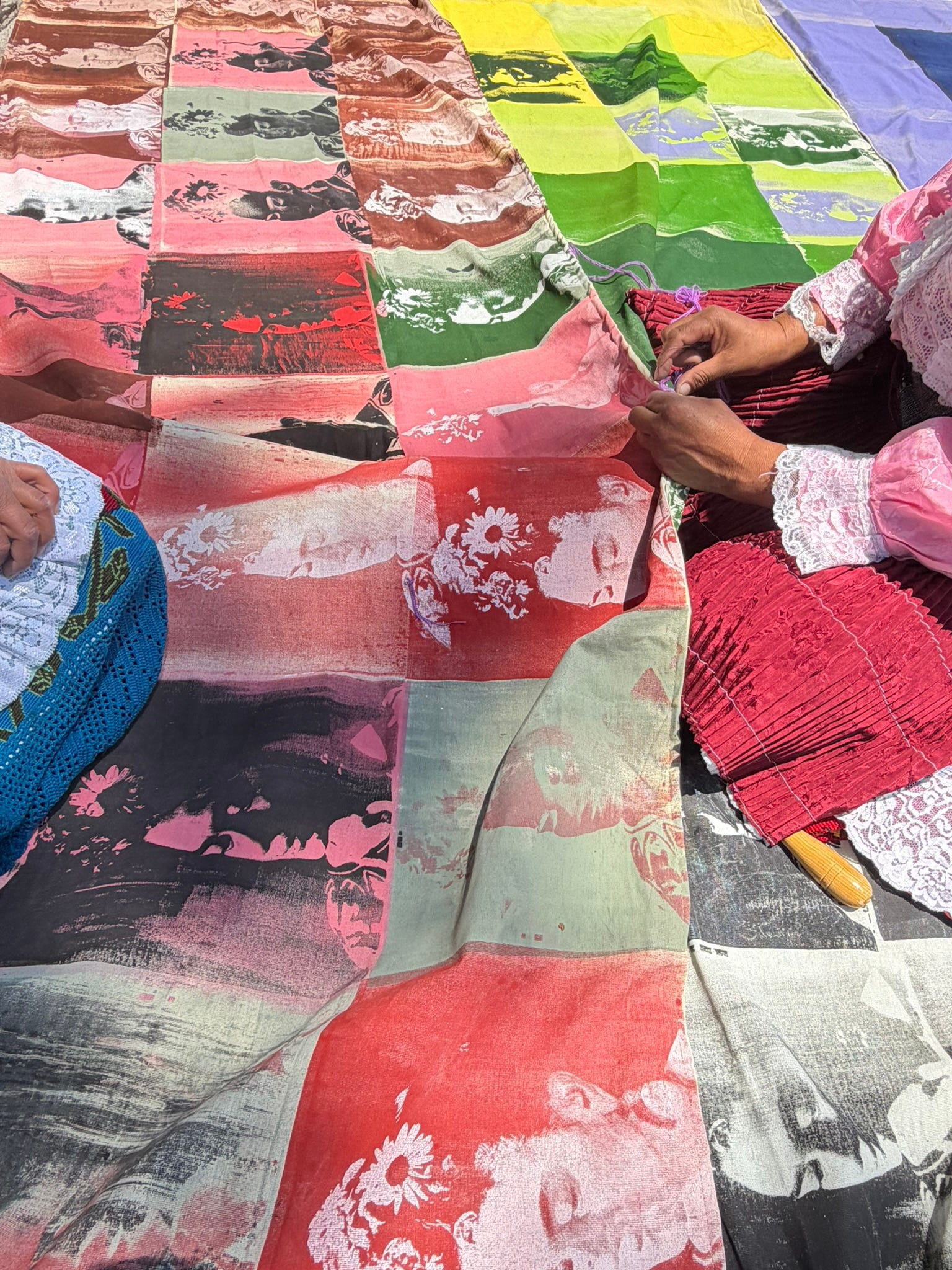
In the last few months I started but not finished many Substack articles. The raw materials of an essay never got a chance to solidify into a finished form because I didn’t have enough of the key resource, time. I was preparing my thesis exhibition for my Masters in Photography at la UNAM, the subject of which was also time. In the weeks leading up to the show I found myself running around Mexico City looking for the myriad parts needed to make the work, as well as install it. Wandering around the labyrinth of El Centro, peering into shops, I was reminded of the hunt which always preceded the development of a new cocktail menu at Odd Society Spirits. A similar pursuit for obscure ingredients, the satisfaction in finally locating the exact one and then later, the alchemy of transforming the raw ingredient into a product which was more than the sum of its parts.
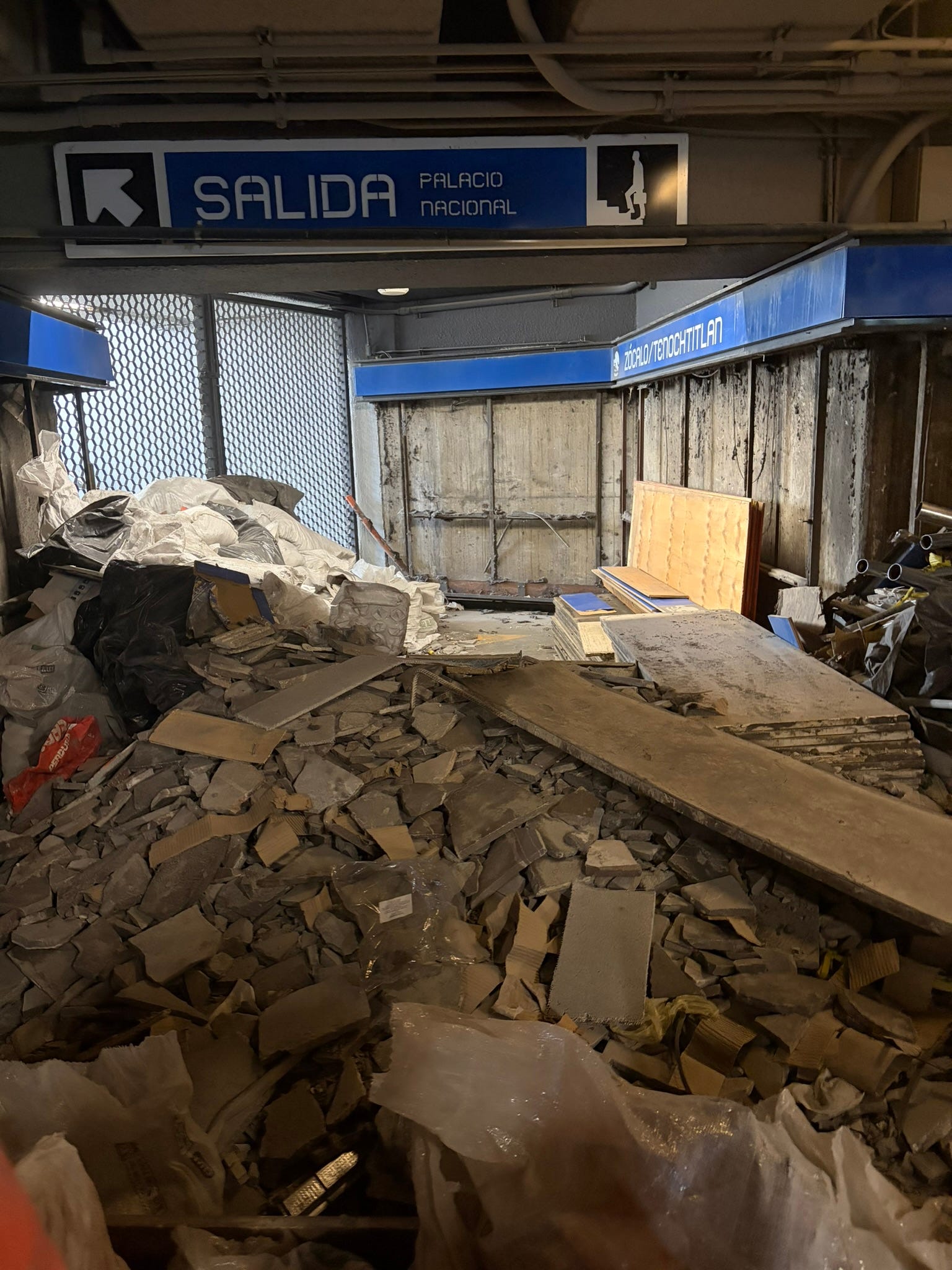
In Vancouver, the activity of sourcing is a lot easier than in Mexico City. Vancouver is small and there’s Evo if you don’t have a car. Not a lot of destinations take longer than 20 minutes from Main Street outside of rush hour. In Mexico City, it feels like it is always rush hour. Traffic doesn’t slow down until 9 or even 10pm. The Metro is one way to avoid traffic because it operates on an independent rail system. My sourcing excursions always begin with the Metro.
The Metro is never relaxing, but in the weeks leading up to my show it became even more chaotic. In preparation for the World Cup the city was tearing apart the metro to improve its cosmetic features, notably the tiles. On the Blue Line (Linea 2) they replaced the grey tiles with grey tiles. Passing through during the construction felt like navigating a war zone with piles of rubble and exposed wires. Everyone was complaining. Instead of spending money on a desperately needed electrical revamp of the metro system, or on an inquiry into the more than 130,000 missing people called out for by protesting mothers, the government seemed to be concerned with the view of Avenida Tlalpan for foreign visitors on their way to the stadium. The construction went on until the last second, tools packed up the morning of the Opening Ceremony.
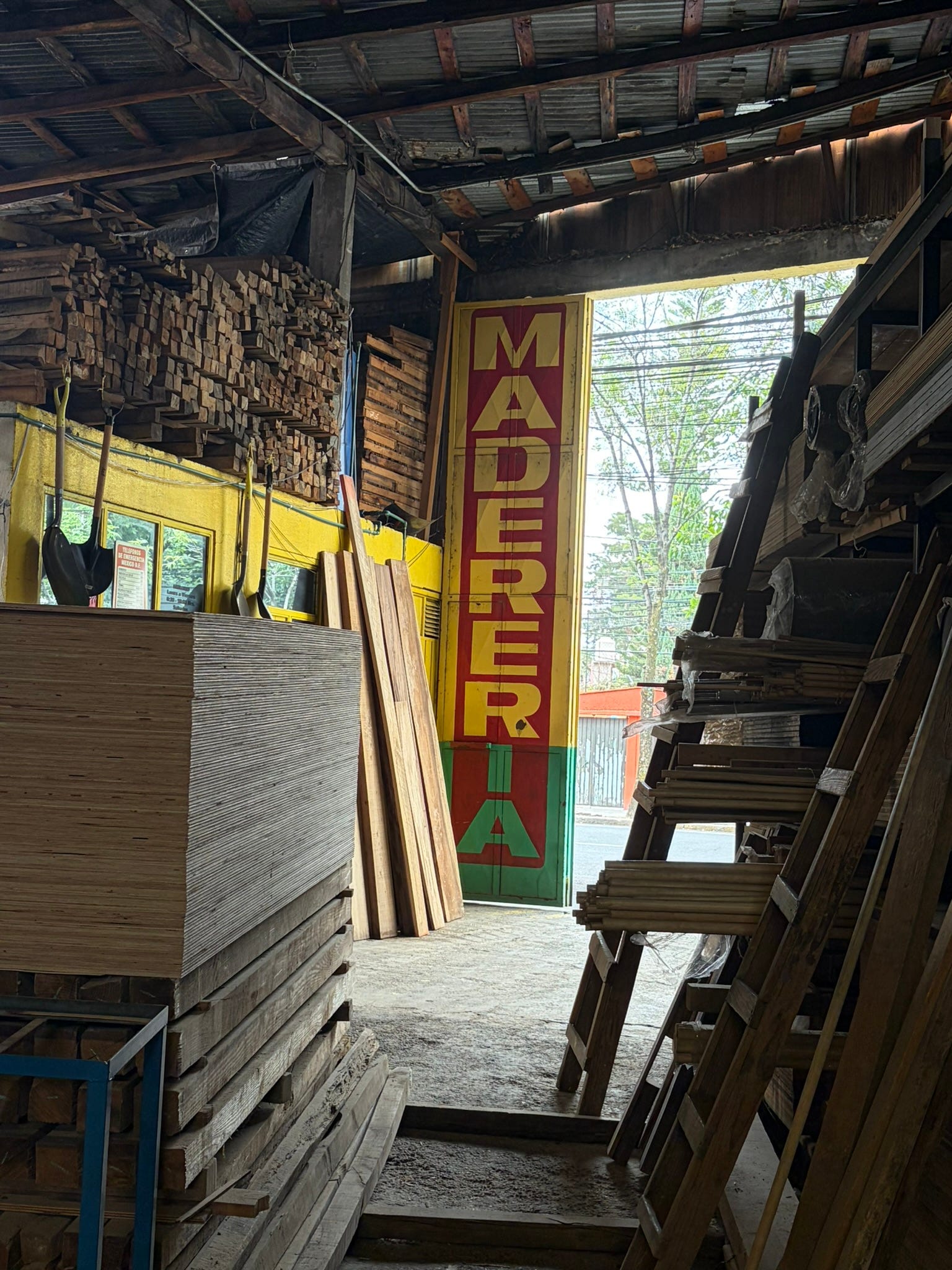
By Metro, it takes about an hour to get anywhere from my home in Del Carmen, Coyoacan. Because Mexico City is old, shopping is arranged in districts. Every good has its own zone. This was practical in the pre-internet age of course because if something was needed you would go to that area of the city where it was sold, no research required. Once there you would talk to people and compare prices. There’s a zone of fabric shops, glasses, music equipment, cameras, the list goes on. Every merchant is specialized. In my mission to put a show together in Mexico City I visited: Papeleria (stationery shop), Ferreteria (hardware store), Mesoneria (masonry), Talabateria (saddler/leather goods), Tapicero (upholsterer) and Madereria (lumber yard).
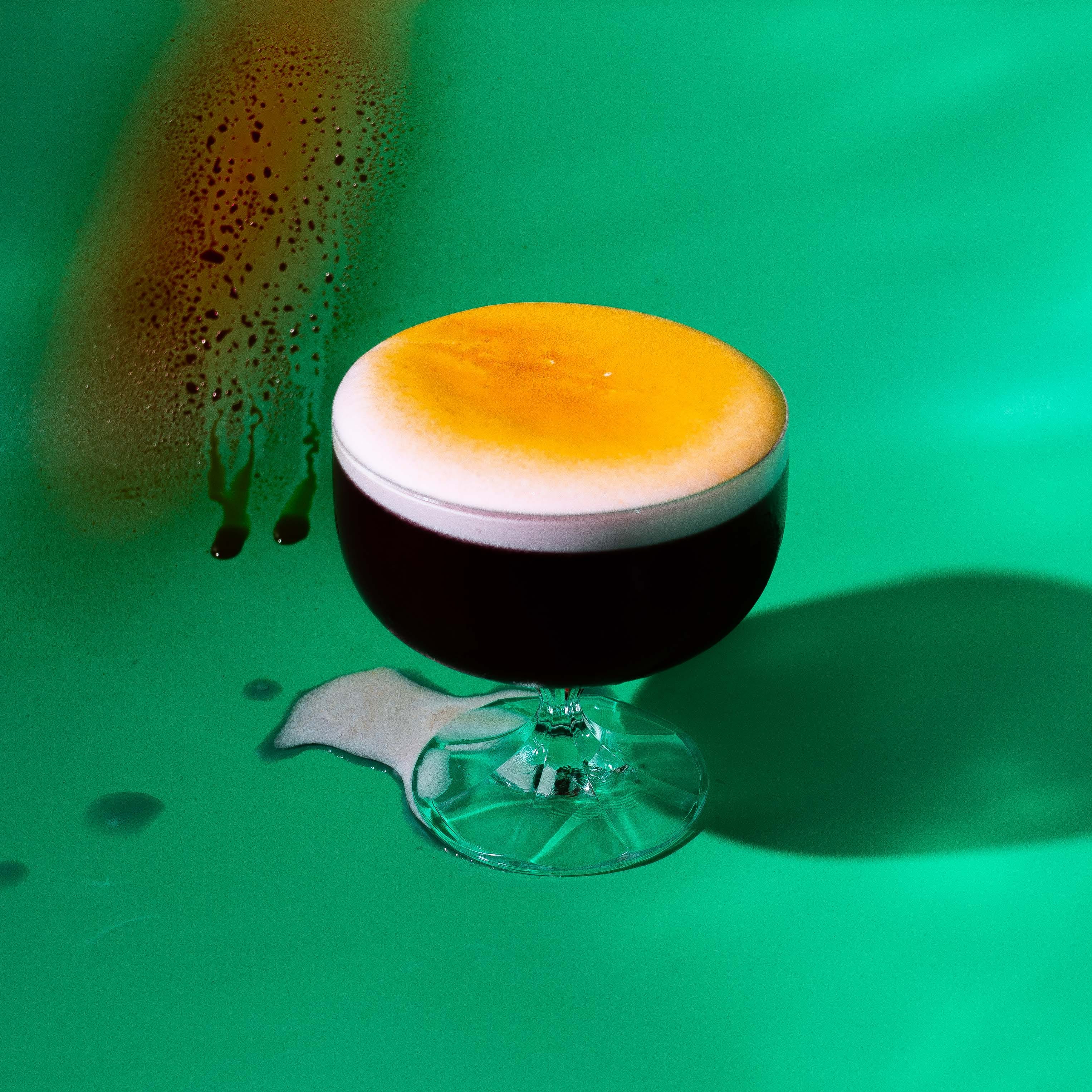
In Vancouver, I have my spots to find the hot, new flavor. Sourcing ingredients for cocktail-making for the purpose of experimentation, creation and taste is a completely different experience than buying food for sustenance. You can indulge yourself totally and act on every whim, imagining uncharted flavor combinations (peanut and jicama? plum, inulin and matcha? yes please!). They could either fail, or turn into the best drink of someone’s life.
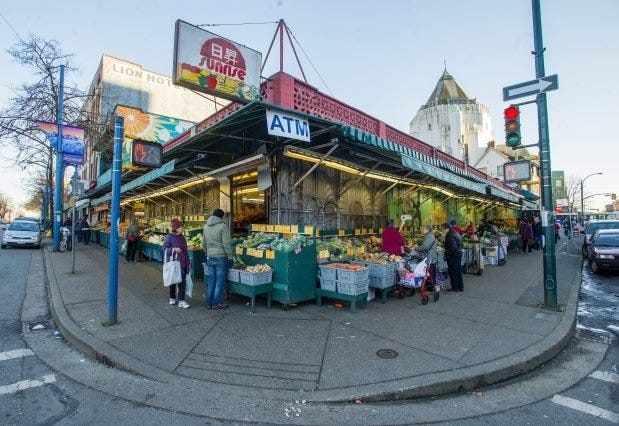
The rare soda section at East West Market was where I found the Inca Soda, which is key in the Bubblegum Spritz. On Main Street I would also frequent the Halal Market for reasonably priced nuts, as well as teas, pistachio oil, and fruit jellies. Balance Botanicals with bins of tactile herbs, dried flowers, powders and salts in different colors. At Fujiya, fresh shiso leaves, matcha powder and yuzu juice. But the bazaar of dreams is Sunrise Market on the corner of Powell and Gore. Their produce is significantly cheaper than anywhere else in the city and they carry items that can’t be found elsewhere like lotus and taro (sliced lotus makes a beautiful garnish). But the real stars are the packaged goods and snacks. Everything is from Asia. Sunrise, the home of the salted tamarind balls, coconut chips, wafers of all types, and sesame treats. Also, extremely cheap coconut water. Five different brands, each with a slightly different balance of salinity and sweetness (we did a taste test).
Sunrise is so iconic my friend made a track about it in 2014:
Considering that coconuts are abundant in Mexico, it is impossible to find coconut water in the grocery store here for a reasonable price. Forget coconut milk. This dispatch is turning into the frustrations of adapting as an immigrant. My quest for the ingredients for my art show, in Mexico City, was both interesting and exhausting. But I found things I would not be able to find anywhere else, sold at a physical store in the real world. The search occurred on a human scale, by asking one person for directions who would point me on to the next, until eventually I would find what I was looking for.
The items I needed for my exhibition already existed in my mind as an image first before they materialized in reality. But similar to making a cocktail, the process of the search changes the final outcome.
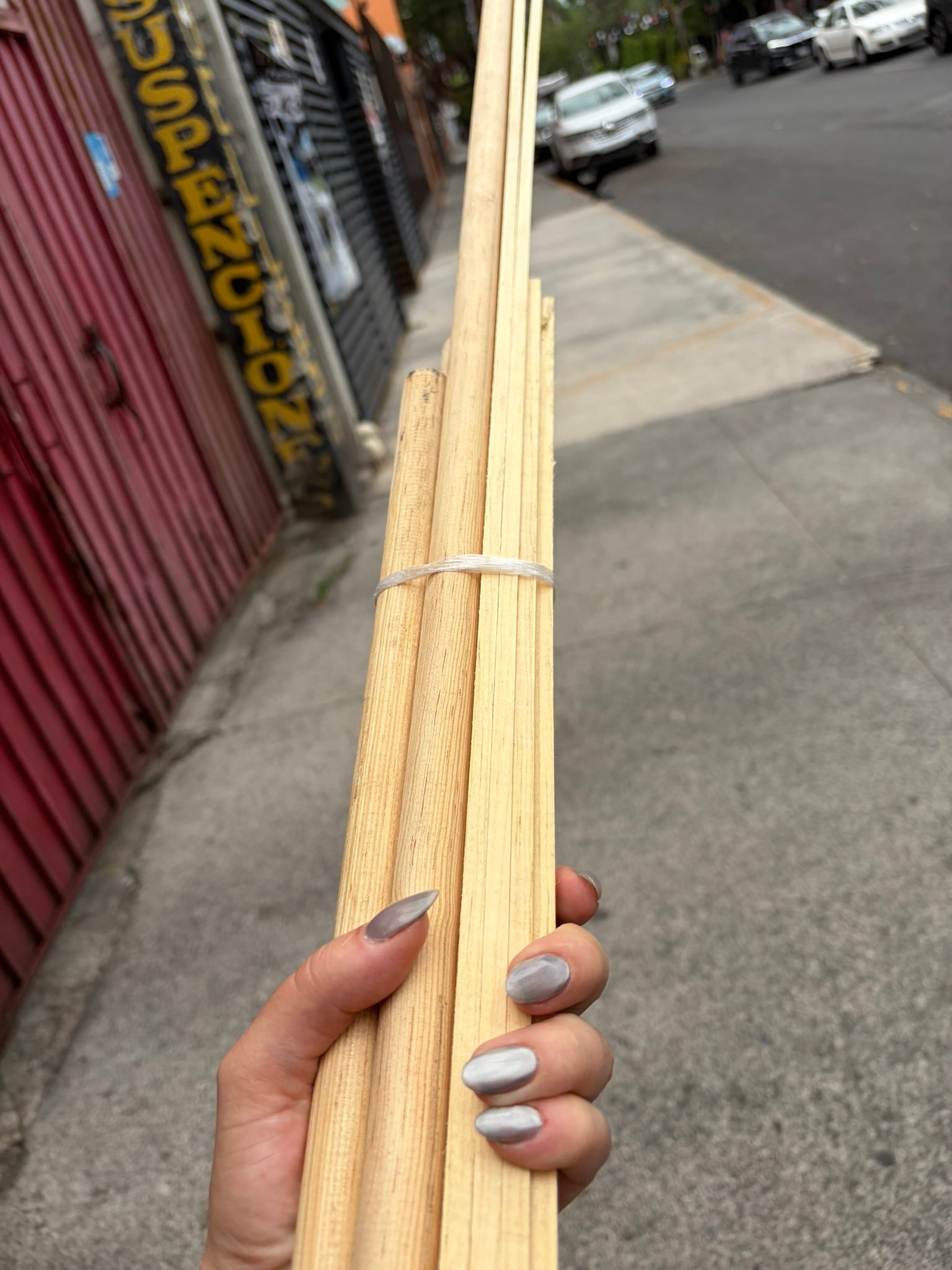
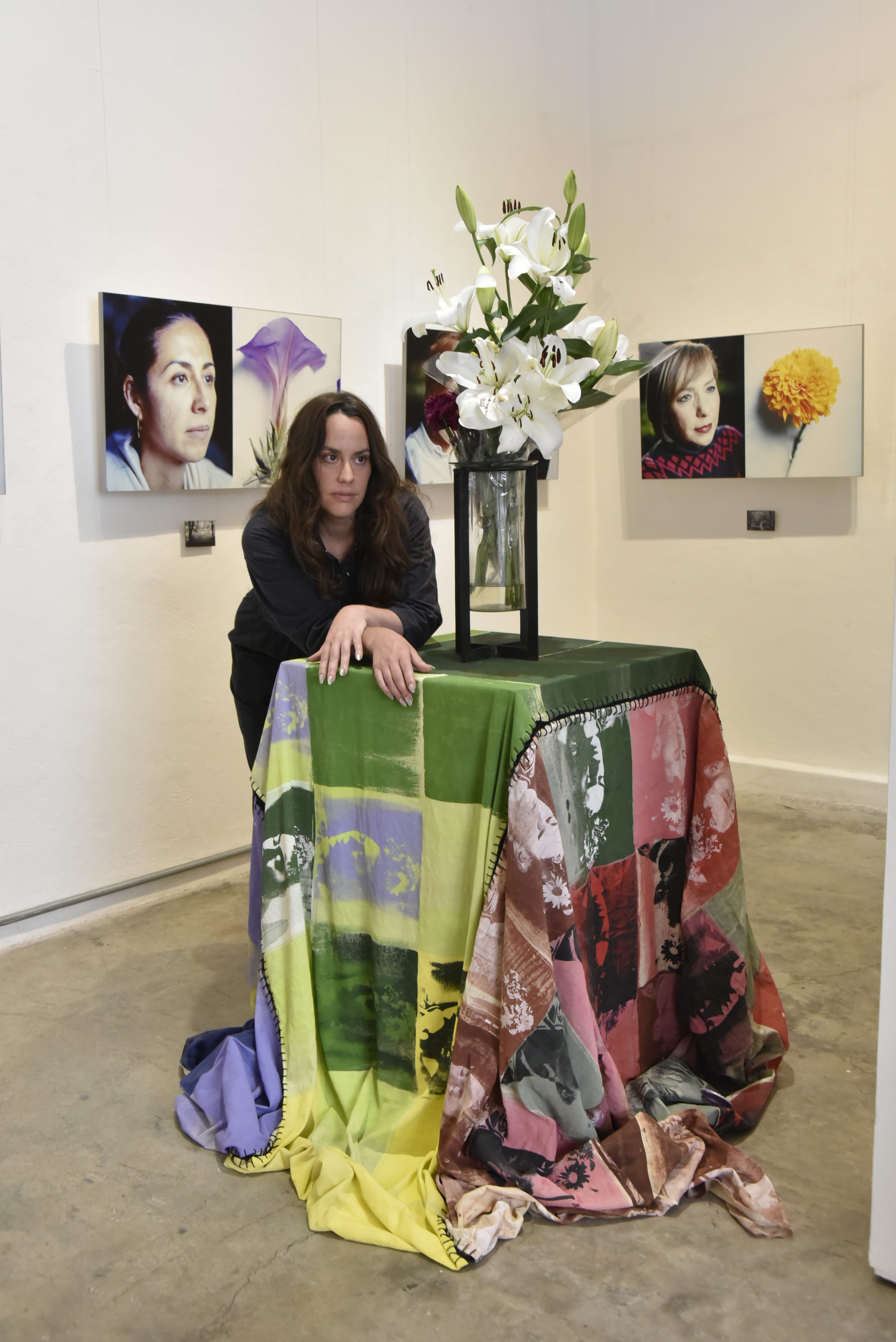
I was looking for a thick, waxy, tubular thread to sew together the three separate pieces of the screen printed tablecloth I had made. I imagined it like stitching together skin, and so I wanted the thread to appear as a drawn black line, bifurcating the colorful cloth.
I took the Metro to Pino Suarez station. ChatGPT told me the thread could be found at a Merceria, a shop which specializes in sewing supplies. After some effort, I learned the closest to my imaginary thread that they carried was a synthetic fishing line with a woven diagonal shape. I bought some, and sat around trying to figure out if I should give up or keep going. I decided to try a Talabartería close by which might sell a leather thread closer to my vision. In this shop they sold bags and belts, but no thread. The clerk told me about a shop that would have it. The shop was closed. I was sweating and annoyed, and got lost in street upon street with rolls of colored fabric and thread, but no cigar.
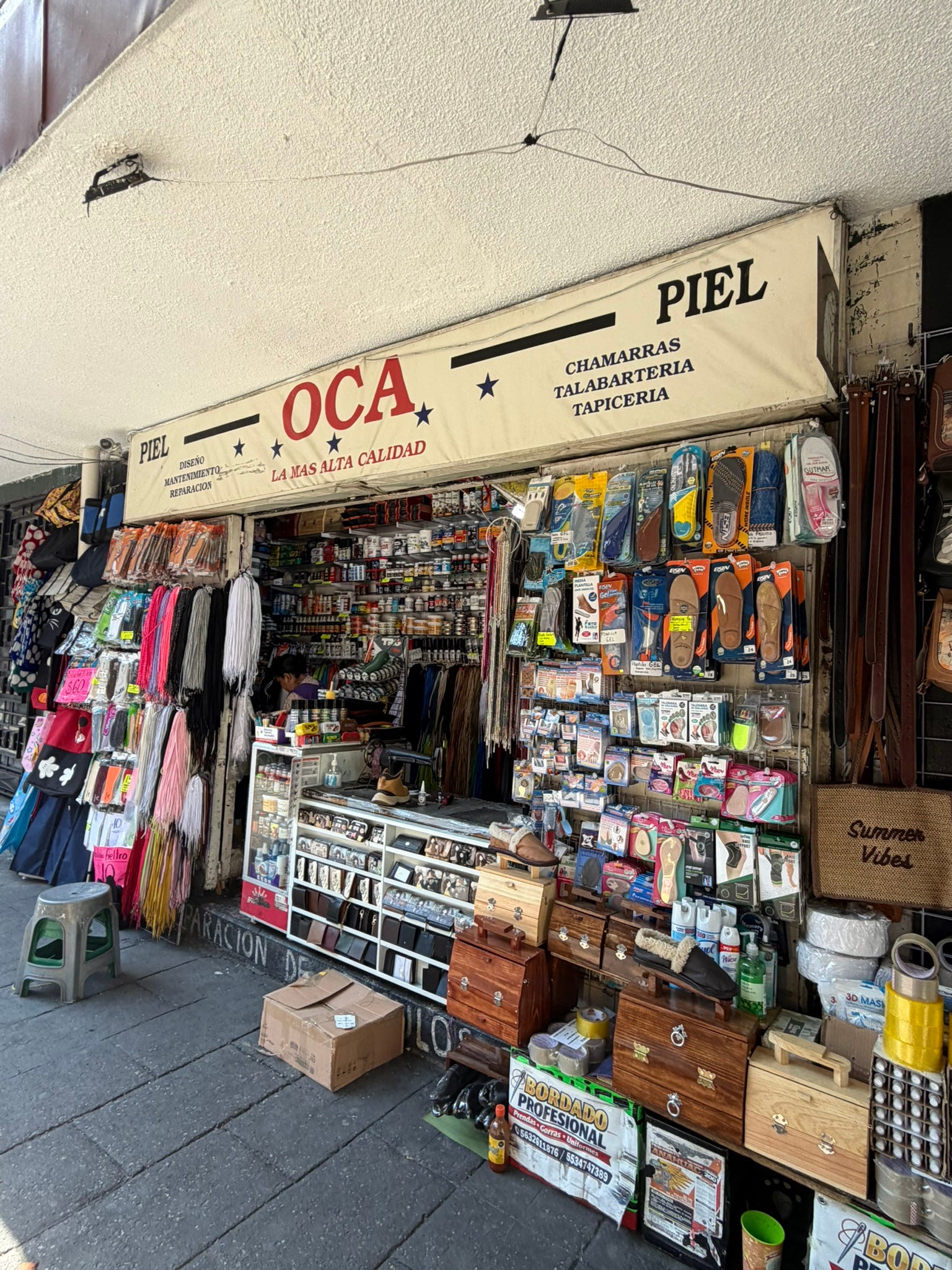
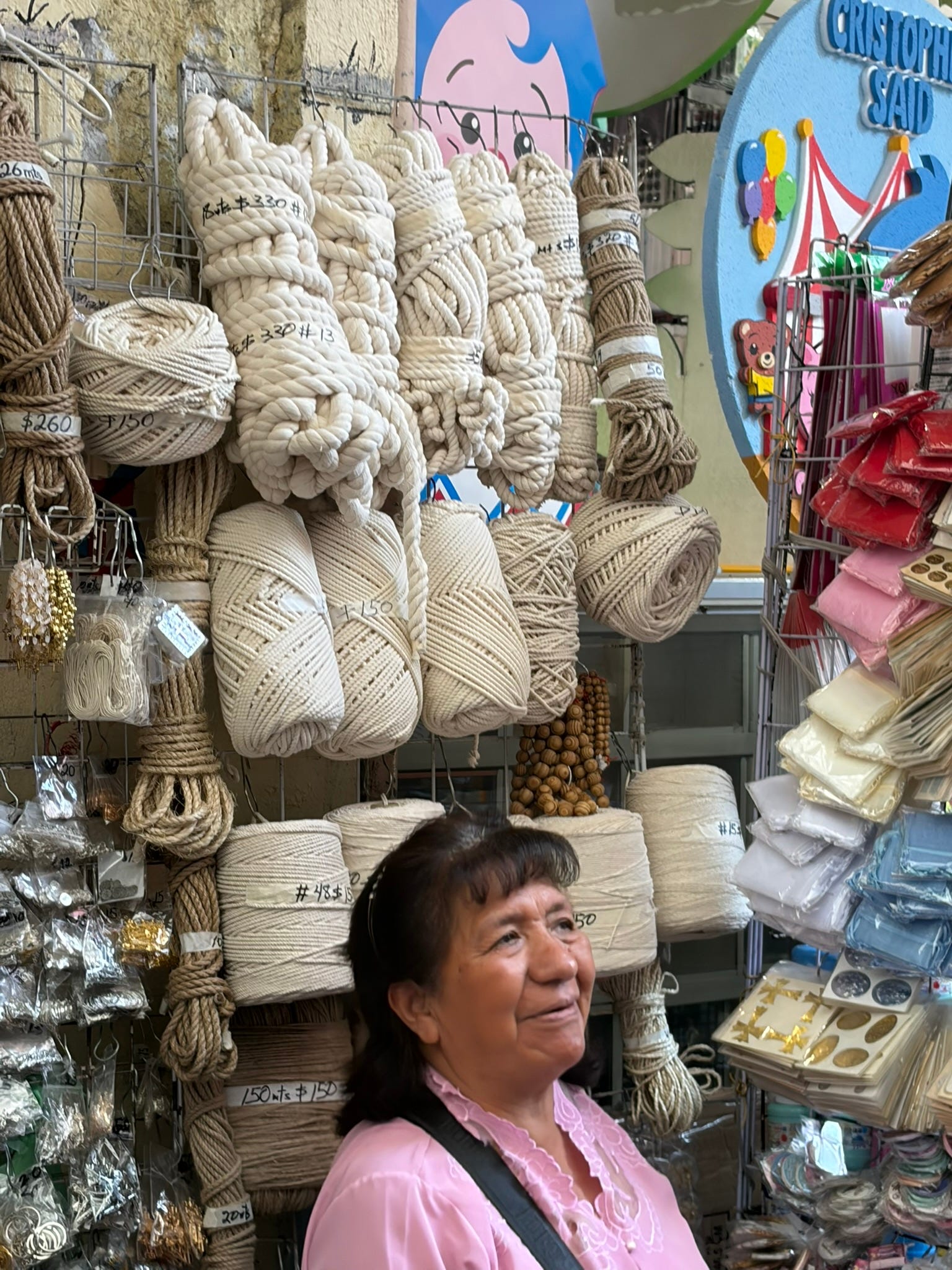
As a last resort, I remembered a beautiful leather shop I had noticed on previous walks around an El Centro. It looked as if it had been there since the early industrial age, an old workshop with reams of cured skins and tools, but very clean and neat, with a white haired man sitting at the counter who looked as if he’d always been a fixture there. I found the shop and asked this man about the thread. He did not sell it. But he gave me instructions to cross two blocks, go on a little further, and after the KFC turn right down a passageway. I would find the shop on the right. And when I reached the shop on the right and immediately saw bundles of thick, waxy leather thread, I almost cried with happiness. A perfect, endlessly long bunch of silky leather thread cost me 250 pesos.
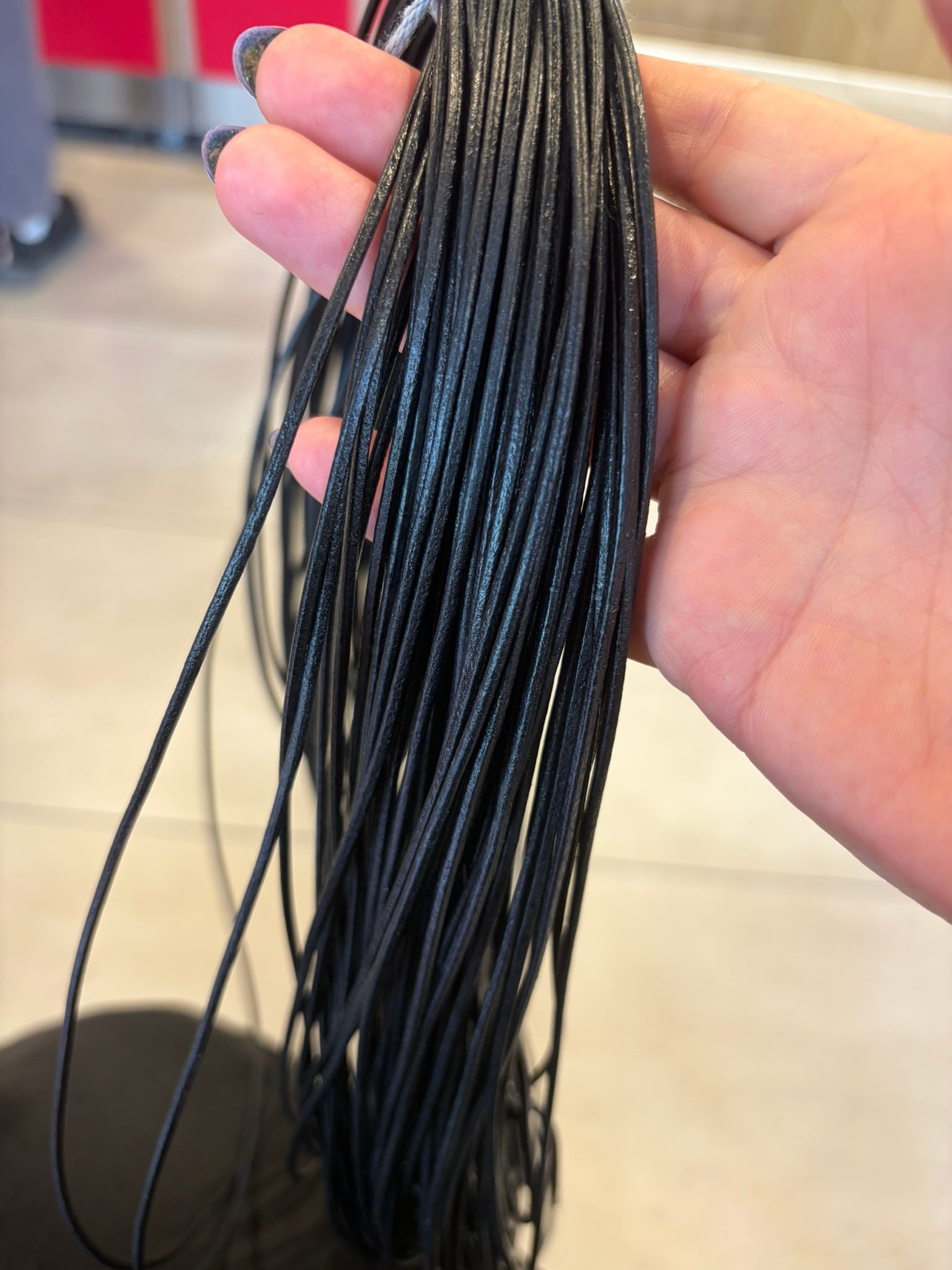
This is generally how things proceeded in the process of finding the materials I needed to assemble my exhibition. Disappointment, frustration and relief. The happy ending was often not the ideal. Take the story of this thread. The women who finally agreed to do the work were indigenous seamstresses who sell their clothing, purses and scarves in the park near to my house. Pasquala readily agreed to do the job, after I spread the three pieces on the ground and showed her what I needed done. It was her skeptical aunt who ended up doing all the work. This talented seamstress invented a new stitch for the project, one which involved sewing a border of loops along the edge of the fabric, then securing a connecting thread to these loops to suture the pieces together.
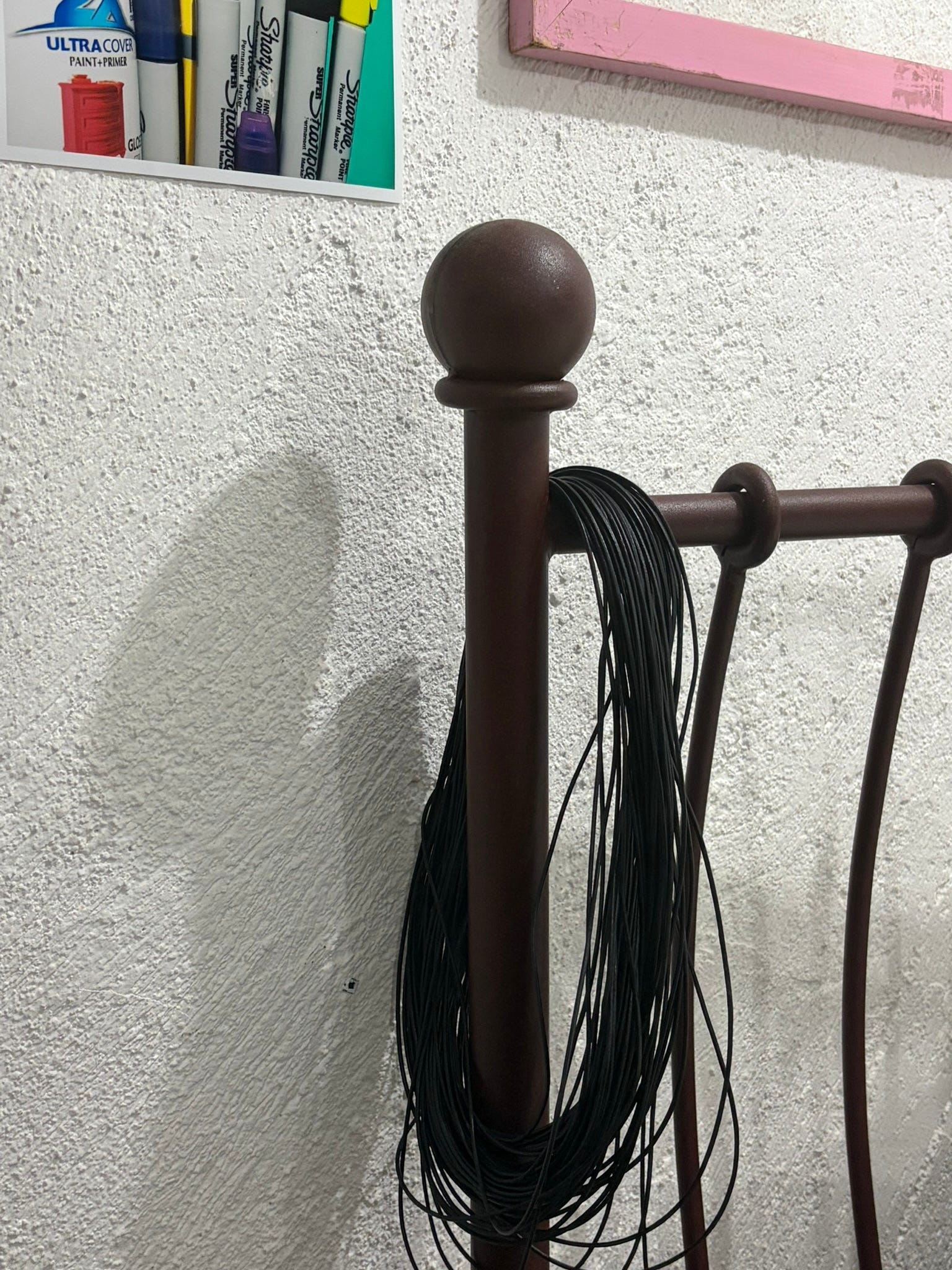
But they could not use the leather thread for the job. I returned to el Centro and found a needle with a huge eye, and a tool that could gently punch holes in the fabric, meanwhile learning the names, function and places to acquire these items. Even with these devices, the leather thread would be impossible. The original fishing thread was used instead. I still have the leather thread slung around my bed post.
Eventually, with many setbacks and hiccups the exhibition came together. Part of the reason why I make art, and why I enjoy making cocktails, is watching the materialization of something that exists first in your mind take a solid form. It’s always a little bit different than the way you imagine it. But sometimes it’s better, and at least it’s real.
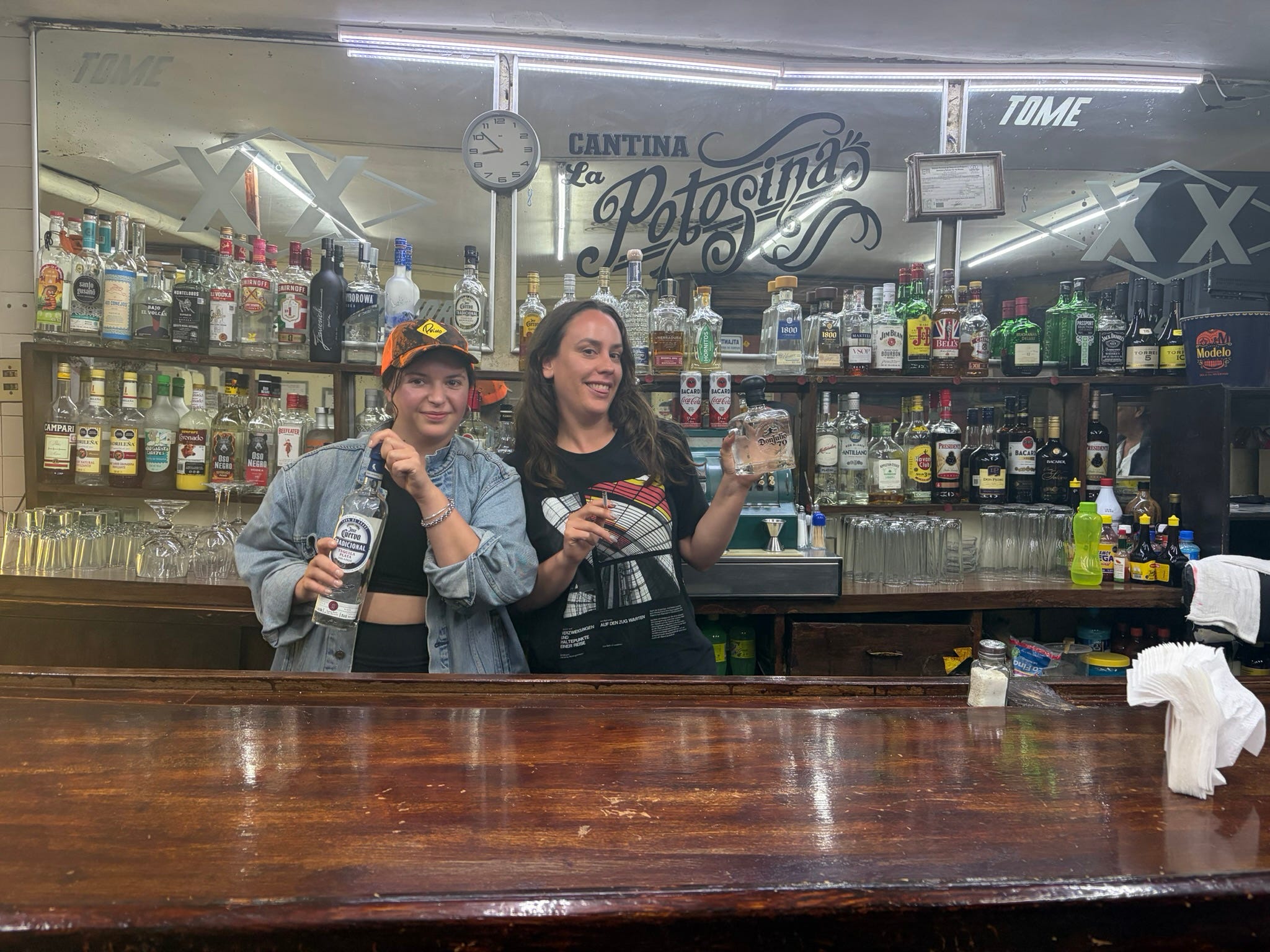
Probably the best part of the whole production is when it’s done and you can enjoy a drink and laugh about it. A drink after work tastes a million times better than a drink before the work is done. The day before the opening, after I finished the installation at La Antigua Academia de San Carlos, my friend Heather and I were ready for a celebratory drink. As we prepared to leave the gallery, it began to pour. The uber prices inflated. We were stuck and I didn’t know any bars nearby. Heather located a bar open, literally just behind the school, one block away. I’d never been in my two years studying there.
The side entrance of the bar was filled with mannequins with BBL booties. We ducked inside and found a little cantina, La Potosina, allegedly the oldest in America. Notable patrons of the bygone days include Fidel Castro, Che Guevara, Emiliano Zapata, and perplexingly, Lee Harvey Oswald(!?) On the wall was a framed newspaper clipping with the headline: FOREIGNERS ARE BIRDS OF PREY. This made us uneasy at first, but we relaxed when they served us mixed nuts and bastardized chicharrón- salted deep fried cracker, without the usual pork skin. The only “food” they sell is Maruchan instant noodles, made with water boiled on a 200 year old stove top (disintegrating but still functional). Along the bar is a gutter for pissing so you don’t have to get up from your bar stool.
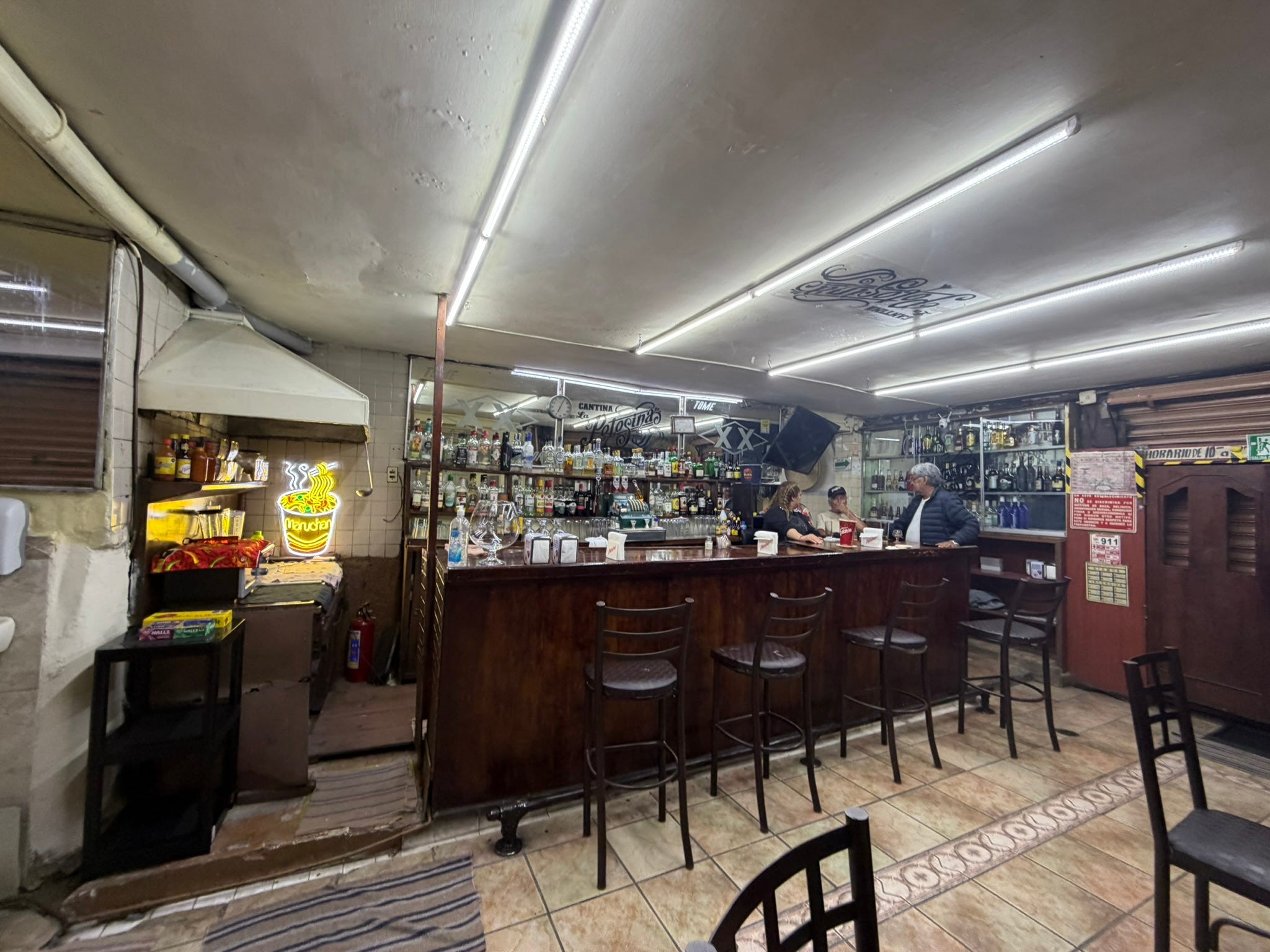
The staff was funny and hospitable. I was too drunk to remember their names. Heather and I had such a good time that we took everyone back after the opening the next night. I recommend a tequila and soda. Let them know they forgot the tequila, and they’ll top you up. Also, you can smoke inside.
Now that I’ve written this article I get a reward. It’s Friday night and I’m going with some friends to have a beer at Salon Portales. I’ll try to write a review and post it here. This is a promise to write more in the coming months, now that the exhibition is done.
P.S. Salon Portales was closed and we went to my friend’s place and did karaoke all night instead
P.P.S. I was recently interviewed by Matt Galloway on CBC The Current, for their segment on Mexico City. I spoke about gentrification, cocktails and why I love living here. Please follow this link to listen.
You are living the authentic Mia Glanz lifestyle. I always knew you would end up abroad, doing something you love, being creative and using that fine mind of yours. Your former fourth grade teacher. csinclaire950 on Insta.
A great read Mia! Creating new cocktails and finishing your program are two very important activities 🙂.